
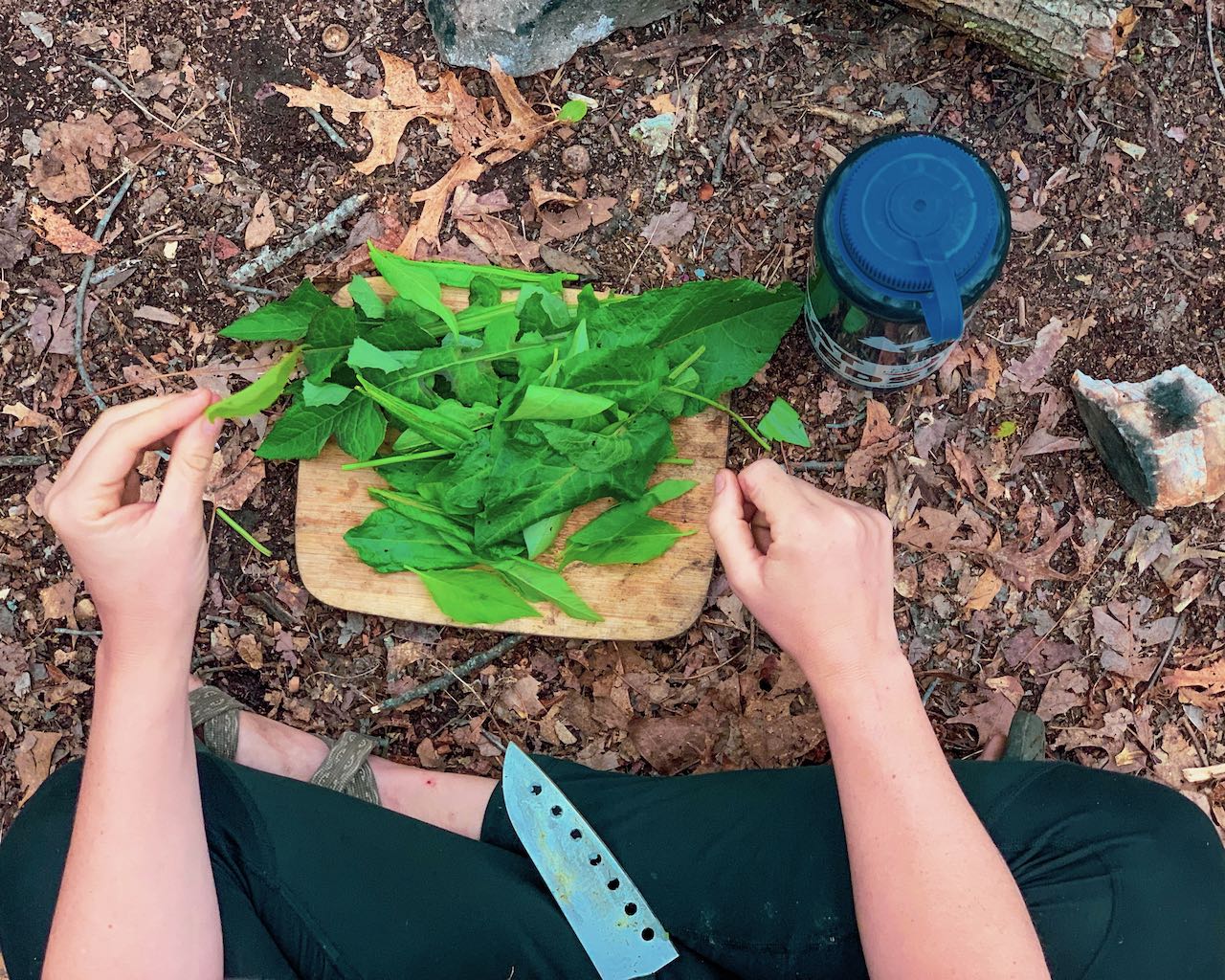
Have you ever picked wild blackberries? Or delighted at the sight of an edible mushroom on the forest floor? If so, you’re a forager! Gathering plants and fungi from wild places is a way to nourish yourself while also enhancing your relationship with the living world. But, it’s important to bring care and respect in exchange for what you pick for your plate or pot! Learn the basics of foraging and wildcrafting and you’ll start to see weeds and wild things in a whole new light.
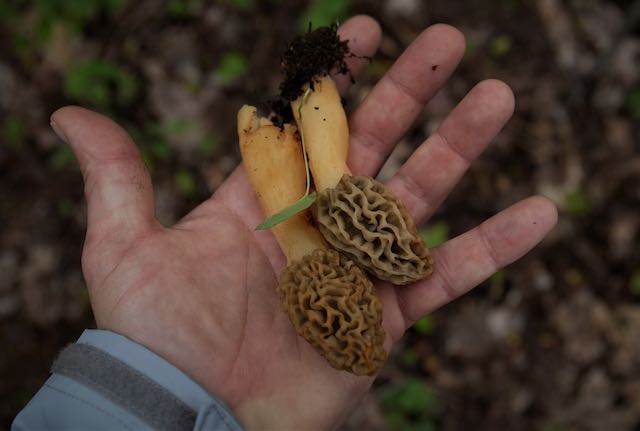
Food foraging definition
Foraging for food means traversing and exploring the physical world in search of plants (or fungi) that provide sustenance. According to behavioral ecology theory, foraging affects an animal’s fitness because it plays an important role in an animal’s ability to survive and reproduce. It’s true that we humans seem to be able to survive and reproduce without foraging for food in uncultivated places. Still, we believe this ancient practice has a positive impact on physical, mental and emotional fitness!
The act of moving through landscapes, observing seasonal cycles, and seeking out edible plants or fungi creates a direct connection to the land that many of us are missing in modern life. Beyond sustenance, foraging can help restore that connection and ground you in your local ecosystem.
Wildcrafting vs. Foraging
What’s the difference between wildcrafting and foraging? Not much; they’re two words for the same practice. More often, foraging is used in reference to gathering food. On the other hand, wildcrafting tends to apply to herbal and fungal medicines. However, this distinction is far from fixed. You’ll certainly hear of folks wildcrafting food or foraging for herbs. If herbs are what you’re after, check out our Wildcrafting and Medicine Making Intensive, offered twice a year; it covers some wild foods, too.
Is foraging for food illegal?
Foraging for food is illegal on private property that you don’t own, and in many public spaces. To determine if it’s legal where you’d like to harvest, check in with your local municipality (whoever is in charge of the space you’re interested in). When reaching out, consider framing your intention as invasive species removal. Indeed, many tasty edibles are invasives, so your foraging activity can play a role in stewardship. Some people believe that anti-foraging laws disproportionately impact Black, Indigenous and People of Color, along with rural citizens. For more on this, here’s an extensive article on the legalities of foraging.
Another layer to consider is how local regulations interact with conservation goals. Some areas restrict harvesting to protect rare plants or maintain ecological balance. Understanding these rules isn’t just about legality; it’s part of practicing ethical foraging and ensuring there are wild foods for future generations.
Ethical foraging and giving thanks
One thing that draws many folks to foraging is the prospect of “free food.” Indeed, directly receiving the bounty of the Earth in our ultra-commodified culture is a welcome shift. However, just because a wild food doesn’t have a price tag on it doesn’t mean that it’s without value, or free for the taking. We encourage you to get to know the plants that you pick, their stories, migration routes, cultural contexts, and amazing qualities; their value is immense. Whenever you pick any plant, be sure to give thanks. Another being is giving its life for your life to continue, and that’s no small thing!
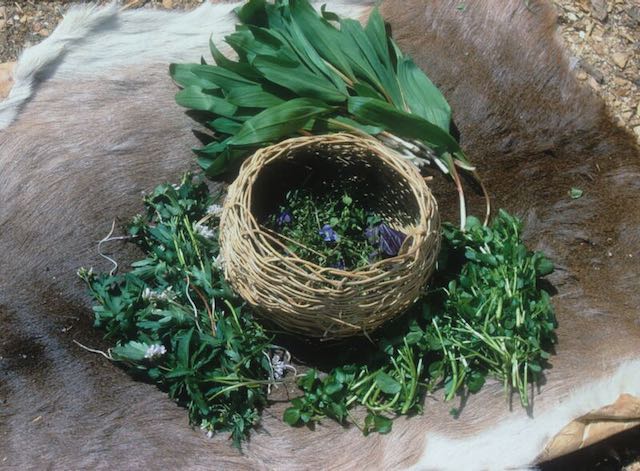
Additionally, it’s important to harvest in a way that cares for the overall ecosystem balance. This includes harvesting only plants that are in abundance, especially invasive species. It also means leaving spaces beautiful and tended, not digging up a bunch of something and walking away from a big mess. Finally, before you harvest or use any plant, learn about its life cycle and needs. This will help you to harvest in a way that ensures more for future eaters (or, less of a problematic plant for future native species in the case of invasives).
How to forage safely
Newsflash: some plants and fungi are poisonous to humans! If you eat a poisonous plant or mushroom, you could get sick or even die. Perhaps worse, if you serve poisonous plants or fungi to your friends and family, you could harm them.
Before you forage for food, learn proper plant identification. See our list of resources below to up your ID game. Spend time with each plant before you pick it, and use multiple identification points instead of relying on a single feature. This helps you avoid look-alikes, especially among mushrooms, where a small mistake can have serious consequences.
Also, many so-called wastelands at the edge of the inhabited world, or along stream banks or roads may be sprayed with toxic pesticides. Be sure not to gather anything you plan to eat from an area that may be poisoned. Paying attention to your surroundings—industrial runoff, livestock activity, or signs of pollution—is just as critical as knowing your plants.
How to identify edible plants
Learning how to identify edible plants is one of the most important skills in foraging. Start with a few common species in your area and get to know them in all stages of growth—from seedlings to mature plants to seed heads. Use multiple characteristics for identification, such as leaf shape, stem texture, flower structure, and scent. Cross-reference with trusted field guides and, when possible, learn from experienced foragers in your region. Avoid relying on a single photo or feature; many edible plants have toxic look-alikes, so redundancy is key. Over time, you’ll build confidence and a mental “catalog” of wild foods you can safely gather.
Foraging tools
Some basic foraging tools will make harvesting easier and more enjoyable. Depending on what you’re after, you may only need some of these.
Sharp knife
A sharp knife is essential, especially when harvesting wild mushrooms. A clean cut protects delicate fungal structures and helps ensure more mushrooms can grow in the future. A knife also makes it easier to trim away dirt or inedible parts right in the field, reducing the amount of debris that ends up in your basket. Choose one with a sturdy, comfortable handle and keep the blade sharp to make harvesting quick and precise.
Scissors
Scissors are perfect for harvesting tender wild greens like Chickweed or clippings from plants with thin stems. Using scissors allows you to “give the plant a haircut” instead of uprooting it, leaving the roots intact so it can regrow. They’re lightweight, easy to carry, and make for clean cuts that help minimize damage to the plants you’re collecting.
Gloves
Some wild foods are covered in prickles, stingers, or irritating sap, making gloves a must-have. A good pair will protect your hands when gathering brambles, nettles, or plants in rough terrain. Gloves also come in handy when digging through leaf litter or moving fallen branches to get to your harvest. Choose durable, flexible gloves so you can still feel what you’re doing while keeping your skin safe.
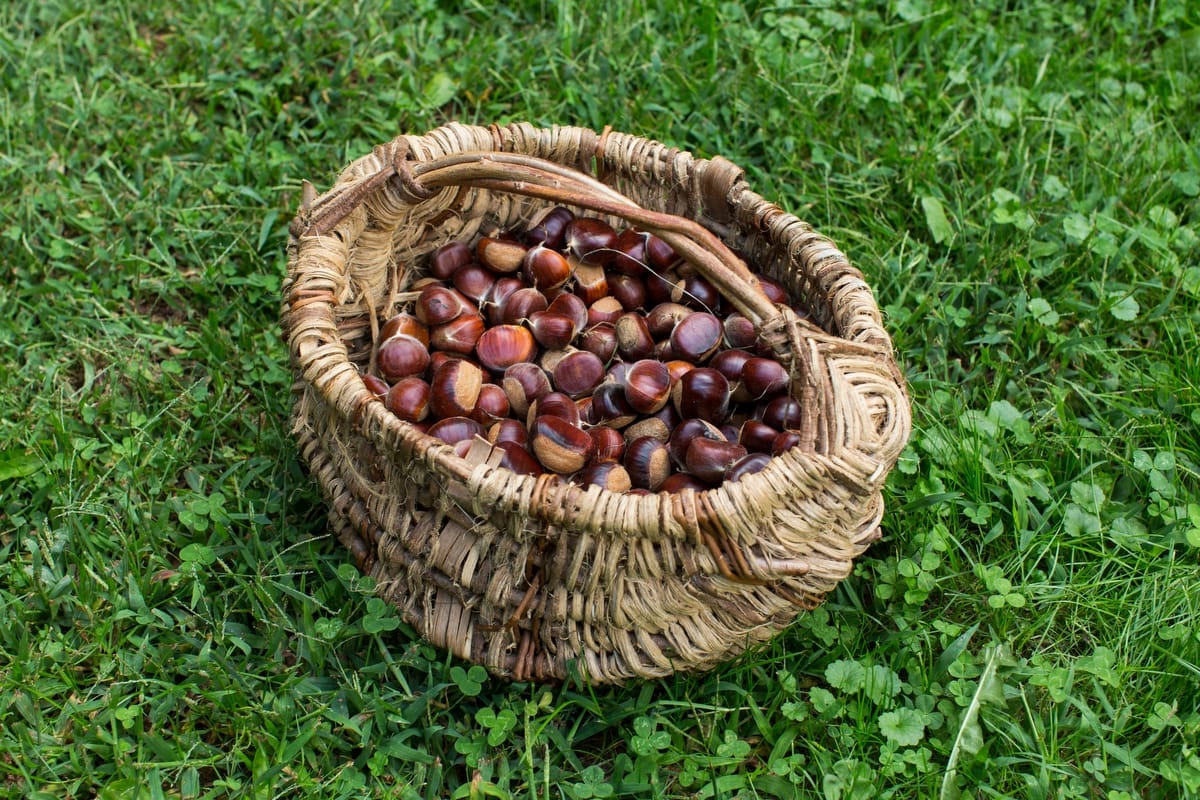
Bag and/or basket
You’ll need something to carry your harvest, and the right container makes a big difference. Baskets allow airflow, which helps keep greens and fungi fresh as you gather. Cloth bags are lightweight and easy to fold up in a pocket until you need them. For roots or juicy fruits, a sturdier container may be best to avoid crushing or leaking. Having a dedicated bag or basket also keeps your foraged foods separate from dirt and debris.
Digging tool
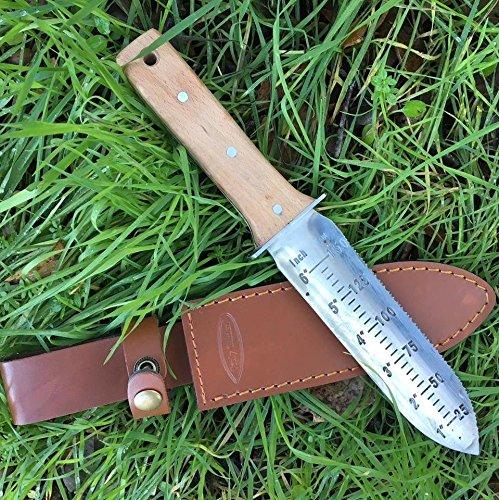
Roots, tubers, and bulbs often require a bit of gentle excavation, which is where a digging tool comes in. A hori hori (Japanese garden knife) or small hand trowel is ideal for prying up underground edibles without damaging them. These tools also help you minimize disruption to the surrounding soil and plants. Carrying one means you can access a wider range of wild foods while practicing sustainable harvesting.
ID tools
Proper identification is the cornerstone of safe and ethical foraging. Field guides are a must, whether in book form or on a mobile device. A small loupe (magnifying glass) can help you see tiny details, like the hairs on a stem or the pattern of spores on a mushroom. Having reliable ID tools with you in the field helps ensure what you pick is both edible and sustainably harvested.
Stool or ladder
Some of the tastiest wild foods grow overhead in the form of fruits, leaves and flowers. A small stool or folding ladder can help you reach higher branches safely without damaging the tree. This is especially useful for elderflowers, wild apples, or other arboreal treats. A sturdy stepping aid also allows you to harvest without overreaching, which keeps you balanced and reduces stress on the plants you’re gathering from.
How to clean foraged plants
Properly cleaning foraged plants keeps your harvest safe to eat and tasting its best. Start by shaking or brushing off dirt in the field to minimize mess in your bag or basket. At home, rinse greens and herbs in cool water, gently agitating them to remove soil and insects. For roots and tubers, scrub under running water to remove grit. Mushrooms should be wiped with a damp cloth or lightly rinsed if necessary, then dried quickly to prevent sogginess. Cleaning also gives you a chance to inspect your harvest one more time for any accidental toxic look-alikes before you cook or preserve it.
How to forage for mushrooms
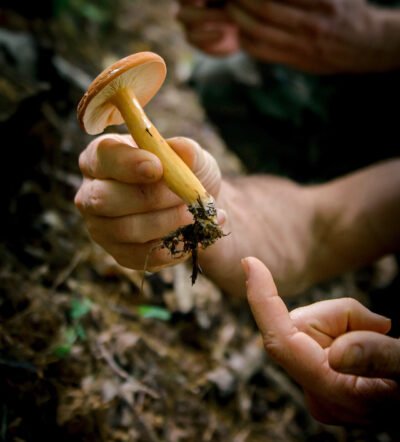
Mushroom foraging is one of the most rewarding—and risky—types of wild gathering. Start by learning just a handful of unmistakable species, such as chanterelles or morels, before moving on to more complex varieties. Pay attention to habitat, season, and the relationship between the mushroom and nearby trees or plants. Always double-check with a reliable field guide or mentor; many edible mushrooms have poisonous counterparts. Carry a basket to allow airflow and avoid plastic bags, which can make mushrooms sweat and spoil. And remember: if you aren’t 100% sure of an ID, don’t eat it.
Can you forage in national parks?
In most U.S. national parks, foraging for food is prohibited to protect ecosystems and wildlife. However, there are some exceptions, such as gathering small amounts of berries or mushrooms for personal use in specific areas with permits. Always check the regulations for the particular park you’re visiting before you harvest anything. Even if legal, practice restraint—national parks are visited by millions of people every year, and overharvesting could quickly deplete resources meant to stay wild.
Learn How to Forage From the Pros!
Wildcrafted Apothecary Training
Can you sell foraged mushrooms?
Selling foraged mushrooms is regulated in many states to ensure food safety and sustainable harvesting. Some areas require permits or certification to sell wild mushrooms at farmers markets or to restaurants. These rules often exist because misidentification can lead to severe illness or death. If you’re interested in selling, start by learning the local laws and consider taking a mushroom identification certification course. Even when legal, harvesting with the ecosystem in mind is crucial; never take all the mushrooms from one patch, and leave plenty behind to continue the species’ life cycle.
Resources for learning more about foraging
Here are some great resources to help you cultivate foraging finesse:
- 10 Spring Wild Foods You Can Find Almost Anywhere – An online class we offer that will get you gathering tasty spring greens in no time
- Best Books on Foraging – A fantastic list of the best books for self-study, compiled by our friends at the Chestnut School of Herbal Medicine; their blog has lots of other great articles on foraging, too
- Online Foraging Course: Edible and Medicinal Wild Herbs – The world’s most comprehensive (and beautiful) online program on foraging for food and medicine
- Eat The Weeds YouTube Channel– Fun and informative videos from “Green Deane,” who has been foraging for over 60 years
- Ediblewildfood.com – Field guide and blog all about edible wild foods, quite extensive with more content added frequently
FAQs about Foraging and Wildcrafting
Foraging is the practice of gathering edible plants, fungi, and other useful natural materials from wild or uncultivated places. It’s a way to connect with your local ecosystem while sourcing seasonal foods—often the first greens of spring, wild berries in summer, nuts in fall, and roots or mushrooms when conditions are right. But foraging isn’t just “free food”; it’s a skill set that includes learning identification, understanding habitat, and paying attention to seasonal timing.
At its best, foraging is also a relationship with place. You learn to read the land—soil, moisture, light, plant communities—and you harvest in a way that supports future growth. That means taking only what you can use, choosing abundant patches, leaving plenty behind, and minimizing disturbance. Over time, foraging becomes less about “finding something” and more about noticing patterns and stewarding the spaces you return to year after year.
Wildcrafting is closely related to foraging, but the term is often used when gathering plants and fungi for medicinal, ritual, or craft purposes rather than primarily for food. It emphasizes a careful, respectful approach—accurate identification, ethical harvesting, and mindful processing into teas, tinctures, infused oils, salves, or other preparations. Wildcrafting often includes learning which plant parts to harvest (leaf, flower, bark, root), when those parts are most potent, and how to dry or preserve them properly.
In practice, the line between wildcrafting and foraging can be blurry. Many plants are both food and medicine, and many foragers also make herbal remedies. The main difference is intention and processing: wildcrafting tends to include a deeper focus on plant energetics, preparation methods, and sustainability—because overharvesting medicinal plants can happen quickly when demand is high.
When a product is labeled “wildcrafted,” it generally means the ingredients were harvested from their natural habitat rather than grown in cultivation. This term is commonly used for herbal products—tinctures, teas, salves, and supplements—where the plant material comes from forests, fields, or other wild landscapes. Ideally, wildcrafted also implies the harvest was done ethically, with attention to ecosystem health and long-term plant populations.
That said, “wildcrafted” isn’t always a regulated label, so quality can vary depending on the producer. Responsible wildcrafting includes proper identification, clean harvesting areas (away from pollutants and pesticides), and methods that don’t threaten local plant communities. If you’re buying wildcrafted products, it’s worth looking for transparency—where the plants were harvested, how they were processed, and what sustainability practices the maker follows.
Ramps (wild leeks) are beloved spring greens, but they’re also slow-growing and can be easily overharvested—especially near trails and popular foraging areas. One of the most responsible methods is to harvest only a leaf or two from a plant, leaving the bulb in the ground so it can continue growing. This approach lets you enjoy ramps while helping the patch remain productive for years.
It also helps to focus on abundance and permissions. Forage only from large, healthy patches, avoid taking from small or struggling stands, and consider harvesting on private land where you have explicit permission and can manage stewardship. Some regions restrict ramp harvesting due to population decline, so always check local rules and respect protected areas. If you love ramps, another long-term option is to plant them (or encourage them) in suitable woodland conditions so you’re not relying only on wild populations.
Mushroom foraging should be approached with extra care because misidentification can be dangerous. The safest way to learn is to start with a small number of beginner-friendly, distinctive species and learn them thoroughly—what they look like, where they grow, what season they appear, and what their common look-alikes are. Use multiple identification points, not just one: cap and stem features, gill or pore structure, spore print color (when relevant), bruising reactions, scent, and habitat.
A good rule is simple: if you aren’t 100% certain, don’t eat it. Take clear photos, make notes, and cross-reference a reliable field guide (or multiple guides), and consider joining a local mycology group or foray. Learning alongside experienced mushroom hunters helps you build real confidence, and it teaches you how to think like an identifier rather than relying on quick comparisons. When you’re ready to eat a confirmed species for the first time, start with a small portion—some people react differently even to edible mushrooms.
Cleaning foraged foods isn’t just about removing dirt—it’s also your final inspection step before eating or preserving. For greens and herbs, rinse gently in cool water, swish in a bowl if needed, and dry well so they store longer. For roots, scrub thoroughly to remove soil, and consider peeling if the outer layer is tough or if the plant came from muddy ground. As you clean, look for insects, damaged areas, and anything that doesn’t match your identification notes.
Mushrooms are best cleaned with a lighter touch to avoid waterlogging. Many foragers wipe them with a damp cloth or use a soft brush to remove debris, then trim the ends of stems where grit collects. A quick rinse is fine for some mushrooms if you dry them promptly, but soaking is usually a bad idea. As you clean, double-check key ID features—especially if multiple mushrooms are in your basket—so you don’t accidentally mix in a look-alike.
Learn Wildcrafting and Foraging Hands-On
Ready to deepen your skills in foraging and wildcrafting? Join our Wildcrafting and Medicine Making Intensive. This immersive class teaches you how to identify edible and medicinal plants, harvest them ethically, and craft them into nourishing food and remedies. Whether you’re a beginner or already love gathering from the wild, this hands-on experience will help you connect more deeply with the living world and build confidence in your foraging practice.
 On Facebook
 On Instagram