
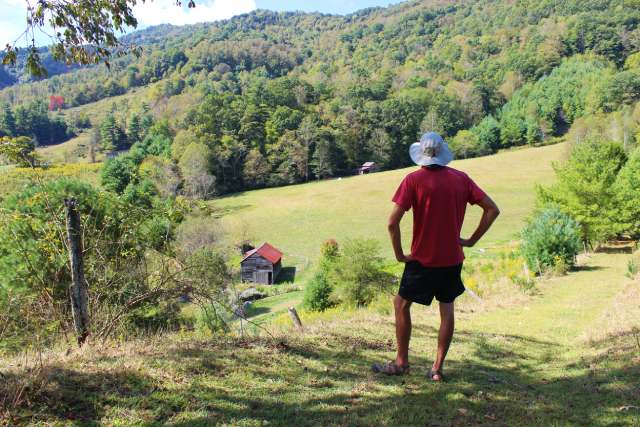
There are lots of ways to make money while living off the land. They range from relatively passive, to highly intensive. Some involve bringing people to your land, while others involve bringing the fruits of your land to where people are who want them. As you consider these options, think about what you enjoy spending your time doing, not just about how much money you could make. And, keep in mind that working the land is still work! For many folks the ideal scenario involves some creative combination of various endeavors, and possibly some outside work too.
Relatively passive ways to make money off the land
Lease of rangeland or cropland
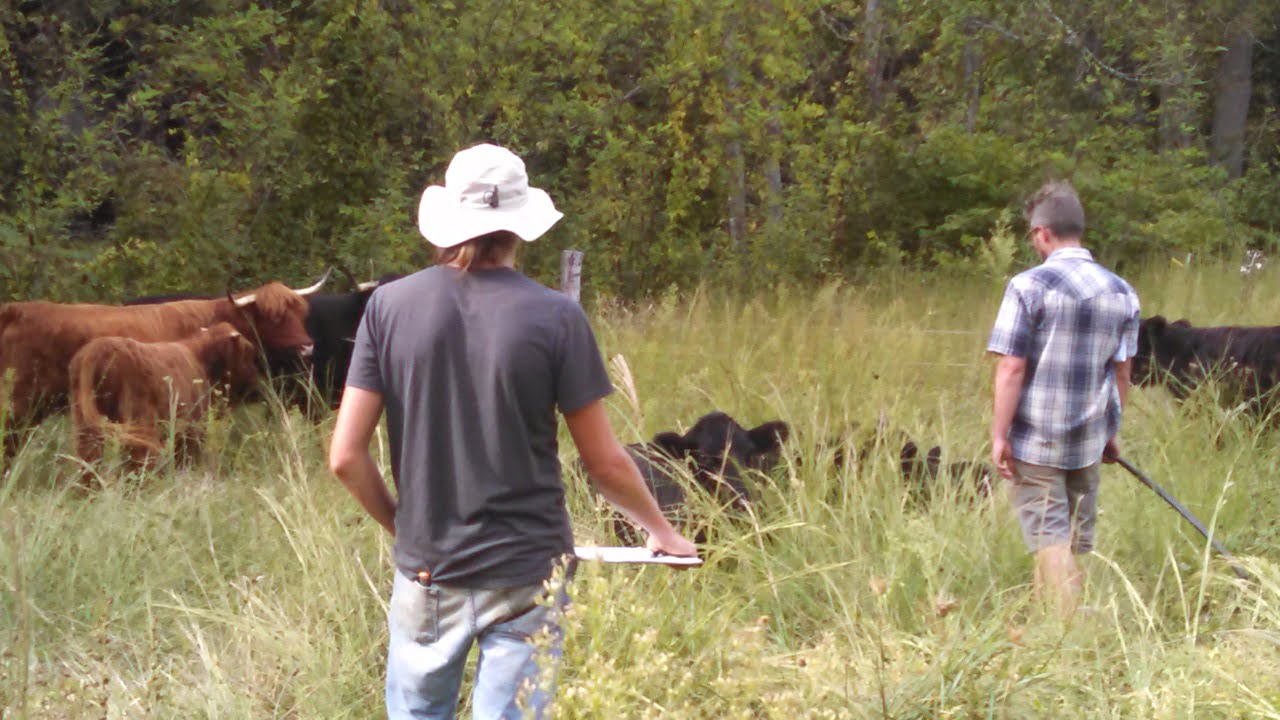
This means renting out your land as it is, with little or no responsibility for upkeep on your part. Of course, the specifics of such an agreement are up to you, but generally leasing land for agriculture puts the land management role into the hands of the leaser/renter.
It’s one of the easiest ways to make passive income from land, especially if you’re not actively using all of it yourself. You might lease to a neighboring farmer, a rancher with livestock, or a small-scale regenerative agriculture business.
Sale of timber rights (someone else does the logging)
Logging companies will survey forested land and make a bid on the value of timber there. Typically a landowner will get a small percentage of the total amount. If you choose this route, be sure to work with a logging company and forester who consider sustainable timber harvest practices and conservation of habitats and waterways.
Timber sales can offer a significant one-time boost of income, but they should be planned carefully with long-term forest health in mind.
Moderately passive ways to make money off the land
Rental of land for events (sporadic rentals)
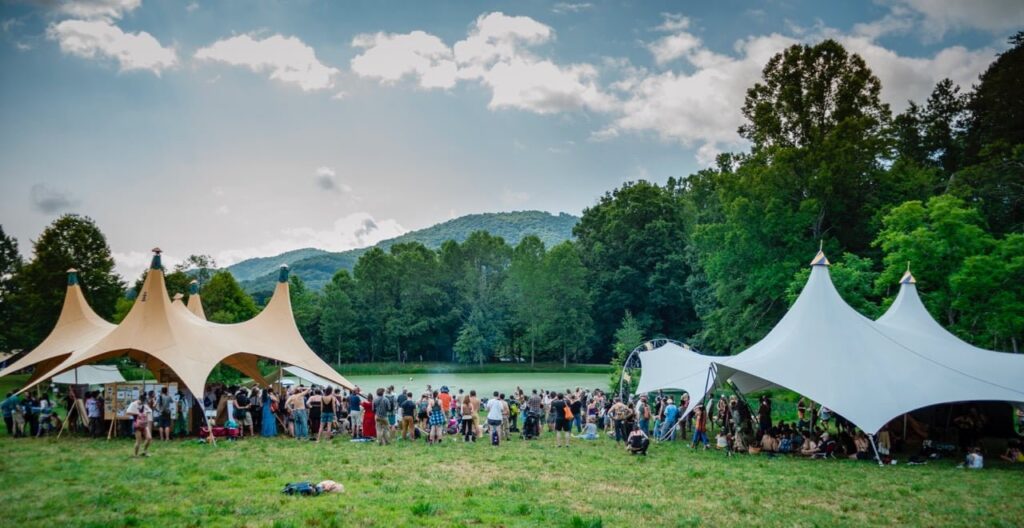
Some examples of such events are: photo shoots, weddings, retreats, summer camps, family reunions, etc. If you have some basic infrastructure (a bathroom and some covered areas), you’ll be able to get more from event rentals. More infrastructure will usually fetch a better fee (i.e. kitchen, sound equipment, table and chairs, etc.) You’ll also need parking space for a large number of people.
This kind of income is seasonal in many regions but can be quite lucrative, especially if your property has beautiful views or unique features.
Rental of housing or buildings (either short or long term)
Lots of folks think of renting houses as passive income. It’s not, exactly. As a landlord, you’re responsible for upkeep of buildings, plus you’ll be managing rental/lease agreements, etc. In order to make this option more passive, you can hire a rental agency or individual to deal with management, but then you end up earning less money. Short term rentals (i.e. AirBnB, etc.) have the potential to generate more income, but require a lot more legwork and coordination. Plus, you’ll need to provide furnishings for short term rentals. You could also convert barns or cabins into rustic lodging experiences for guests interested in off-grid living or agritourism.
Learn More Ways to Use Your Land!
More Intensive ways to make money off the land
Farming commercially (vegetables, animals, tree crops, mushrooms, etc.)
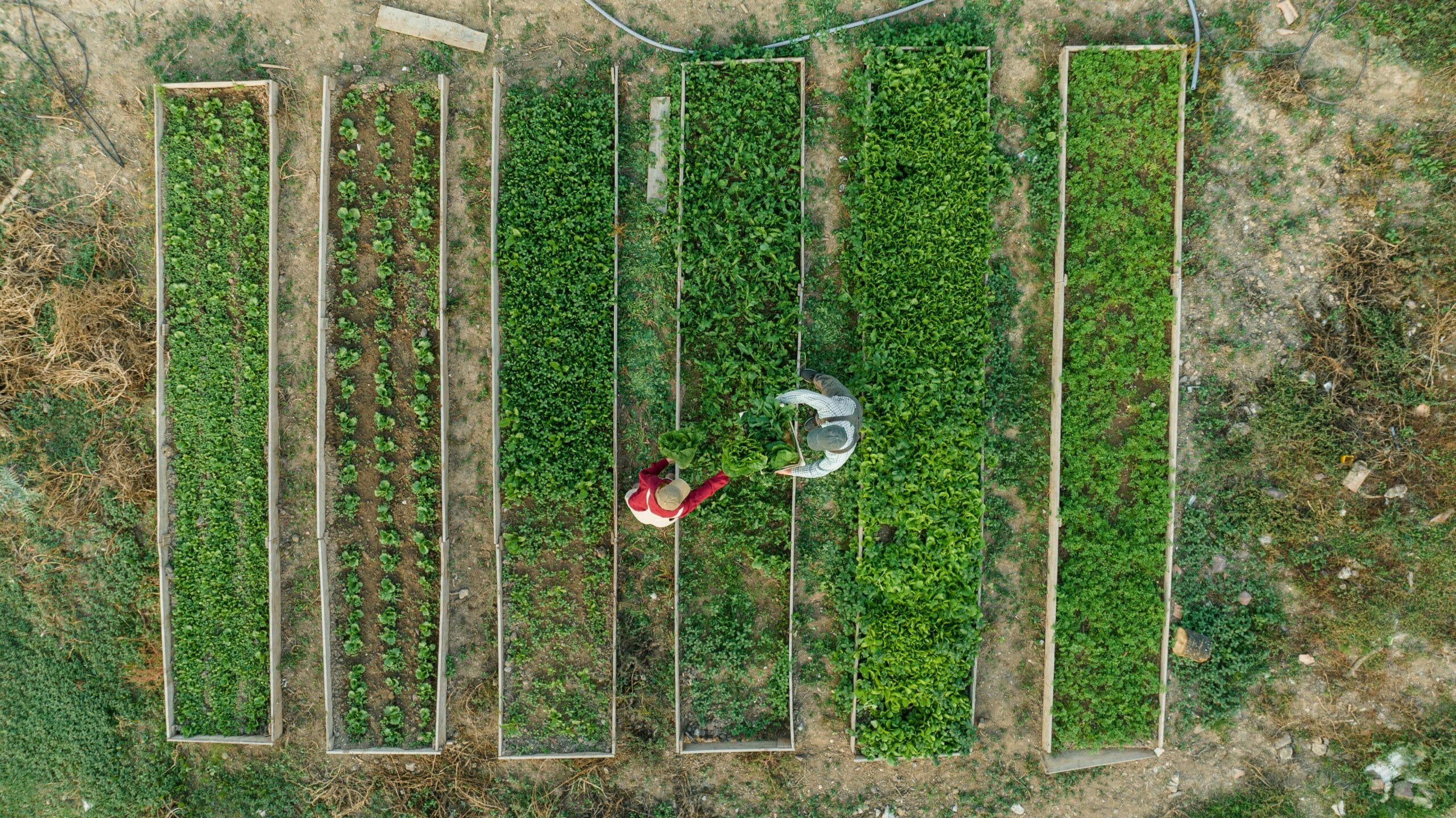
Most people think of farming first when they imagine making a living off the land. It can be a great way to earn a living while living your dream. Keep in mind that farming is usually not a high-paying job, especially if you break it down to an hourly wage. However, if you’re doing what you love to do and you’re producing lots of food for yourself and your family, farming can feel very rewarding and is the right choice for some.
Key considerations when you’re contemplating starting a farm business are: What will you produce for sale? Who will you sell to? Is this product (or products) already available locally? Will you need any special equipment, including refrigerated storage, for your operation? Do you have experience producing this/these crops, and if not, where will you gain the skills?
Small-scale organic farming, permaculture gardens, mushroom cultivation, and value-added goods like canned produce or herbal teas are all options worth considering. Interested in learning how? Check out our Gardening & Permaculture Courses!
Foraging commercially
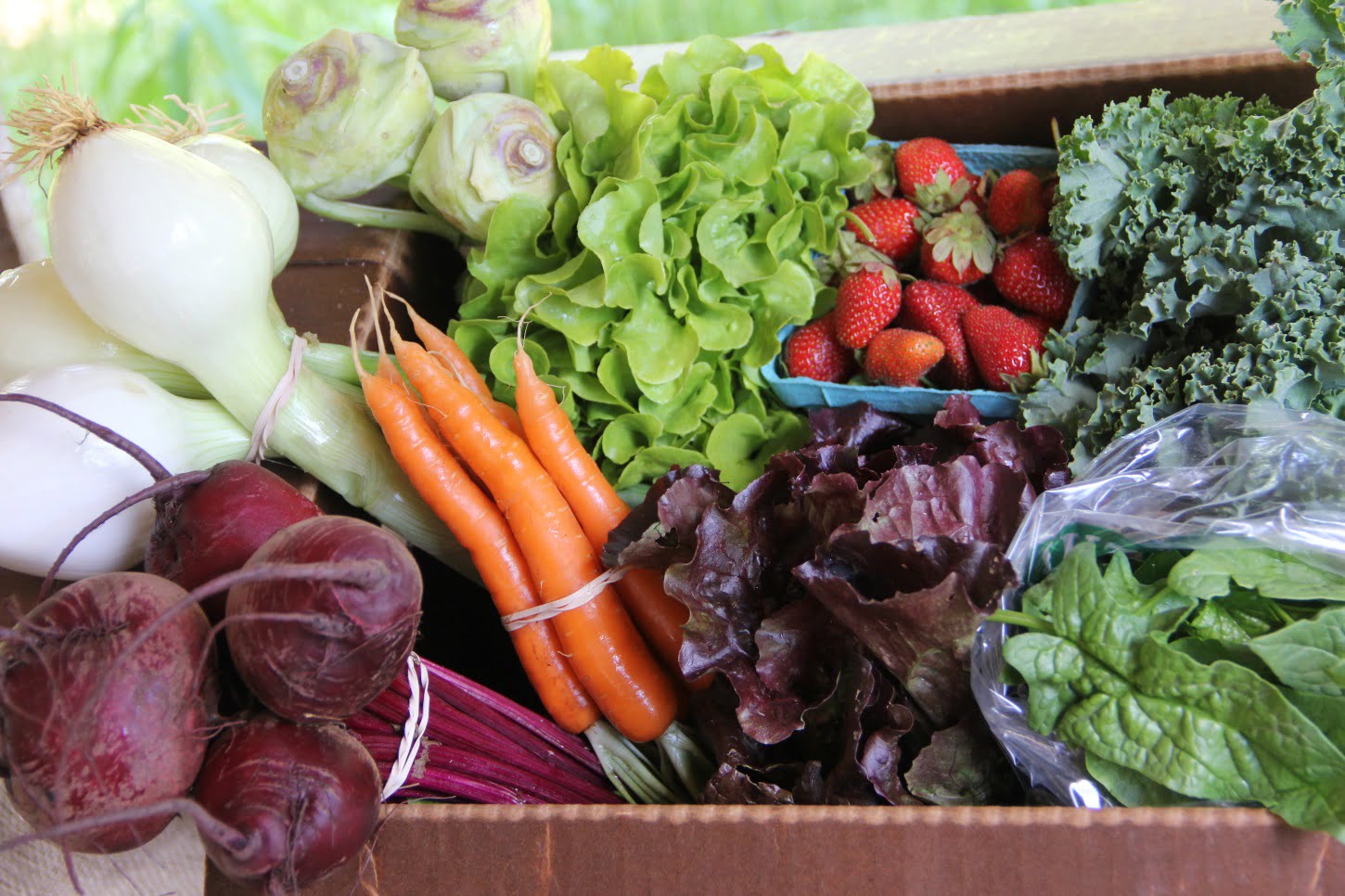
The idea of a commercial forager might seem strange at first, but it’s actually becoming a realistic way of making a living in many areas. The key is not just abundance of plants, mushrooms, etc. to forage, but access to markets. It’s easier to make money foraging when you’re close to an urban center of some size. Many commercial foragers sell their harvest to restaurants, some sell at farmer’s markets, others sell to commercial herbal medicine companies, or make and sell their own herbal products.
If you’re curious about how to forage responsibly and use what you gather, consider our Wildcrafting and Medicine Making Herbalist Class as a first step.
Running events and/or retreats
This means doing all the organizational work, along with providing the space and facilities. In most cases, this option isn’t something for one person to take on by themselves. In order to run successful events, you’ll need to spread the word and get folks to come. As with commercial foraging, it can help to be relatively close to an urban center to make this work. On the other hand, if you’re location is extremely remote, specific types of events like meditation and wilderness retreats might be well suited to your situation. Variations on this idea include running a school, a homeschool enrichment program, or a child care program. You’ll likely need insurance, a business license, and some staffing support depending on the scale and scope of your offerings.
Agro/eco tourism
More and more people are wanting to combine their vacations with an enriching experience. Also, folks are beginning to take an interest in where their food comes from and how the natural world works. Providing tours and excursions as a part of your operation can help bring in extra money. Agro/eco tourism can be combined with commercial farming and foraging, events and retreats, and short-term rentals. Here, too, it’s important to ask yourself who will be coming and how you’ll get the word out.
To learn more about living off the land using permaculture principles, check out our extensive resource: How to Live off the Land: A Permaculture Guide
Can You Live off the Land with No Money?
It may sound far-fetched, but people do begin living off the land with very little—or even no—money. This often involves bartering for land access, working in exchange for housing, or partnering with others who already own land. You might start by caretaking rural property, living communally, or camping in regions that permit it. Growing your own food, collecting rainwater, and using salvaged or natural building materials can significantly reduce costs. While living off the land with no money is possible, it usually requires strong skills, a supportive community, and a lot of resilience.
Is Living off the Land Legal?
In most places, it is legal to live off the land—but there are important regulations to be aware of. Zoning laws often dictate whether you can live permanently on certain parcels, especially if you’re building tiny homes, yurts, or off-grid structures. Building codes may require plumbing and electricity, while some areas have restrictions on composting toilets or graywater use. Additionally, laws around water rights, hunting, and land access vary widely. Research your local and state regulations thoroughly before making the leap. Being informed ensures your dream of off-grid living stays both sustainable and legal.
Learn Different Ways to Live Off the Land!
Wildcrafted Apothecary Training

Permaculture Design Course
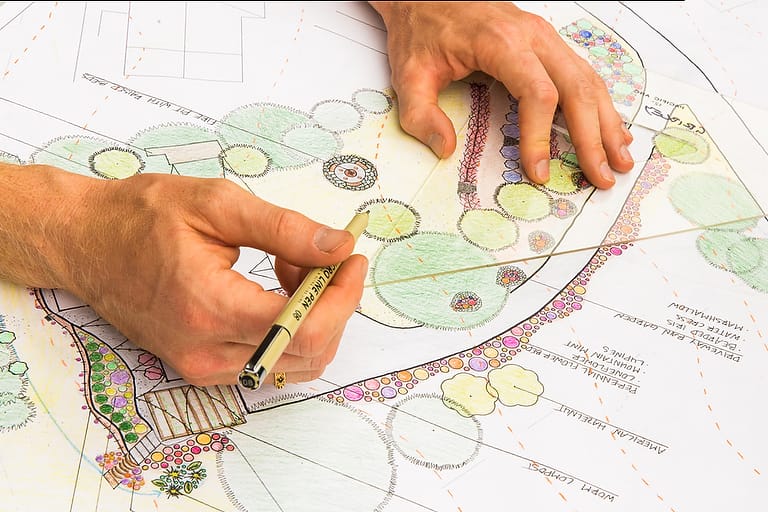
Seasonal Land-Based Living Handbook

What Does Living off the Land Mean Today?
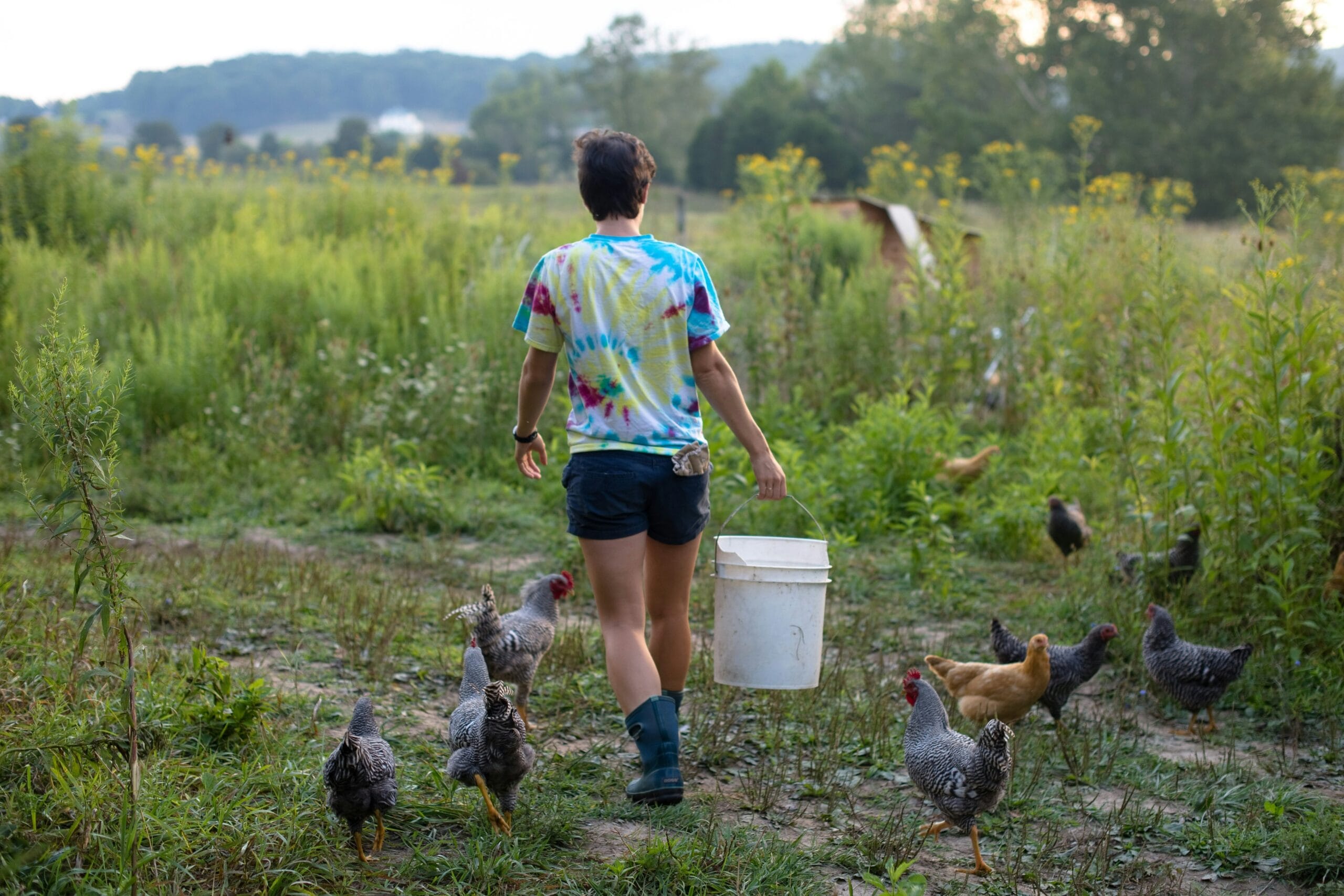
Traditionally, living off the land meant growing and foraging for your own food, building shelter, and meeting your needs directly from nature. Today, it still means that—but it can also include blending modern tools and markets with a self-sufficient mindset. Many people now incorporate permaculture, renewable energy, and small-scale entrepreneurship into their version of off-grid living. Whether you’re selling mushrooms at a farmer’s market, running an eco-tourism business, or simply raising chickens and gardening for your own table, living off the land means relying more on nature—and your own hands—and less on conventional systems.
Can Any Land Be Used for Off-Grid Living?
Not all land is ideal for off-grid living. Factors like access to water, soil quality, sun exposure, and local building regulations play a huge role in determining whether you can live sustainably and independently. Land that looks remote or affordable may have hidden limitations, such as difficult terrain or a lack of year-round access. Before buying or moving onto land, assess what resources it offers and what legal restrictions may apply. Some municipalities even prohibit full-time residence on unpermitted structures or land without a septic system. The key is to match your vision with the right piece of land.
FAQs About Making Money While Living Off the Land
The best way to make money with land depends on your location, your resources (water, soil, buildings, access), and how involved you want to be day to day. Some income streams are relatively hands-off—like leasing pasture or cropland, renting storage space, or offering a long-term cabin rental—while others are more hands-on, like market gardening, value-added products, or agritourism experiences. What’s “best” is usually the option that fits your land’s strengths and your lifestyle, not the trendiest idea on the internet.
For many land stewards, the most resilient approach is a stack of smaller income streams rather than one big bet. You might combine something steady (a lease or rental) with something seasonal (u-pick, workshops, or campsites) and something that grows over time (orchards, perennials, timber, or nursery stock). That mix spreads risk, helps cashflow through different seasons, and lets you scale up the pieces you enjoy most.
Yes, there are several ways to earn relatively passive income from land, but “passive” usually still includes occasional oversight. Common options include leasing grazing or cropland, renting a house/cabin, offering RV or storage space, selling timber rights, or setting up a seasonal hunting lease where appropriate. These can be great if you want predictable income without constant daily labor.
That said, most passive strategies still require maintenance, communication, and basic business systems—like clear agreements, insurance considerations, simple bookkeeping, and periodic repairs. It also helps to think in terms of “low-touch” instead of “no-touch.” The more you can build repeatable processes (screening renters, scheduling maintenance, documenting boundaries), the more passive your land income can actually feel.
Start by taking inventory of what your land can realistically support: water sources and storage, sunlight patterns, soil quality, existing vegetation, shelter, and access to tools and transportation. Then choose one or two foundational projects that build momentum—like a garden, a compost system, a simple rainwater setup, or a small flock—rather than trying to do everything at once. Early wins matter because they teach you your site’s “personality” quickly.
At the same time, begin learning the practical skills that make land-based living easier: basic gardening, seasonal planning, food preservation, simple repairs, and safe tool use. Living off the land is also a community practice—relationships with neighbors, farmers, markets, and local tradespeople can save you enormous time and money. Even very self-reliant homesteads often rely on community for swaps, advice, and occasional support.
Yes—many people live land-based lives through rental agreements, caretaker roles, work-trade arrangements, cooperative households, or intentional communities. Some folks lease a small piece of land for gardening and animals, others live on a property in exchange for maintenance, and others partner with family or friends to share costs and responsibilities. It can be a great path if you’re building skills or saving toward ownership.
The key is to get clear on expectations and legal realities upfront. Written agreements about improvements, livestock, length of stay, utilities, and what happens if plans change can prevent a lot of heartbreak. If you’re investing labor into perennial systems (orchards, fences, infrastructure), it’s especially important to clarify what you can take with you, what stays, and how you’ll be compensated if the arrangement ends.
It’s possible to live sustainably on as little as 1–2 acres, especially with intensive gardening, smart water management, and small animals like chickens or rabbits. On smaller plots, success often depends on high-quality soil building, season extension, and making the most of vertical and perennial growing. You may also rely more on off-site resources—like buying bulk animal feed or bartering for firewood—while still producing a meaningful share of your food.
Larger acreage expands your options: grazing animals, a woodlot for fuel and building material, on-site compost inputs, and multiple income streams spaced out across the land. But more land can also mean more fencing, maintenance, and equipment. In practice, “enough” land is the amount you can manage well with your time, budget, and energy—because good systems on a smaller parcel often outperform neglected systems on a big one.
One of the biggest mistakes is starting with an idea before understanding the land and the market. People invest in fencing, animals, or infrastructure without confirming basics like water access, soil limitations, seasonality, or whether there’s real demand nearby. Another common pitfall is trying to do too many projects at once—multiple enterprises can be powerful, but only after you have one or two systems running smoothly.
It’s also easy to underprice your work (or forget to price your time at all), which makes a “profitable” project feel exhausting and unsustainable. Skipping clear agreements—leases, work-trade, event policies, boundaries—can create conflict or liability later. A more reliable approach is to run small tests first, track costs and hours, then scale what works.
Zoning and local rules determine what you’re allowed to do on a property—everything from whether you can run a farm stand, host events, or operate short-term rentals to what kinds of structures you can build. Permits may be required for driveways, septic systems, wells, electrical work, commercial kitchens, signage, parking, and occupancy. Even if something feels “small,” it can still trigger requirements once money changes hands or the public is invited onto the land.
Regulations also shape your risk and your costs. Insurance providers may require certain safety measures (rails, lighting, fire access), and tax classifications can change depending on how the land is used. Before you build a business plan, it’s worth talking to your county/city planning department and asking, “What’s allowed by right, what needs a permit, and what requires special approval?” Doing that early can save huge time and prevent expensive rework.
The lowest-cost options usually start with what’s already there. Leasing pasture or hay ground, renting existing structures for storage, or offering seasonal access (like a small, well-defined lease or rental arrangement) can bring income without major buildouts. If you have a usable outdoor area, simple experiences—like farm tours, one-day workshops, or small group retreats—can also work well, especially if you start small and keep logistics simple.
Product-based income can be low-cost too if you focus on quick-turn items and avoid big equipment purchases. Think: plant starts, herbs, cut flowers, eggs (if you already have a basic coop setup), or value-added goods made from what you can harvest responsibly. The key is to validate demand first—sell a small batch, take pre-orders, or partner with an existing market—then reinvest profits into the next step.
It depends on the enterprise and how much infrastructure is required. Some projects can generate income quickly—like leasing land, renting storage, or running small workshops—often within weeks or a few months. Others take a full season (or more) to dial in, especially if you’re learning skills, building soil, or establishing reliable systems.
Perennial and “long game” projects usually take longer but can become very resilient once established. Market gardening and small livestock operations often take 1–2 years to stabilize, while orchards, agroforestry plantings, and timber-related income can take several years to meaningfully pay back. A helpful way to plan is to mix at least one short-term cashflow stream with one medium-term project and one long-term investment so you’re not waiting years for your first wins.
Take the Next Step Toward Living Off the Land
To learn more about living off the land using permaculture principles, check out our extensive resource: How to Live off the Land: A Permaculture Guide. You can also deepen your skills and confidence through our hands-on programs like the Permaculture Design Certification Course or Wildcrafting and Medicine Making Herbalist Class.
 On Facebook
 On Instagram