
Permaculture Courses & Gardening Programs
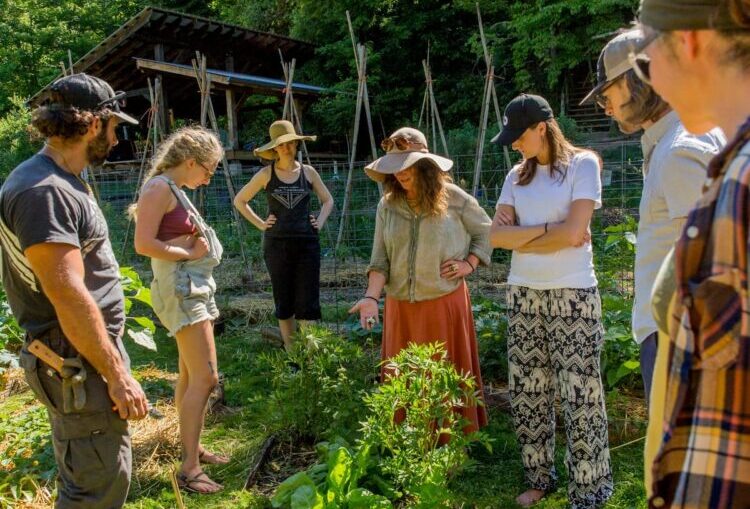
Our permaculture courses and gardening programs empower you with tools and skills to work with your environment – wherever that is – to create an oasis of balance, harmony, beauty, function, and sustainability.
Permaculture is the merging of human stewardship and the natural landscape; it blends ecology and agriculture with the dynamic presence of community. Do you envision living in a landscape lush with food and medicine, pollinators and birds? Explore our permaculture classes and gardening programs—they’ll hand you the keys to paradise.
Permaculture classes that prepare you to create the future you want to live in.
Looking for the Online Gardening School?
It’s now part of Growing Wise, Natalie and Chloe’s gardening-focused project. Come check it out!
All Gardening Classes and Permaculture Courses
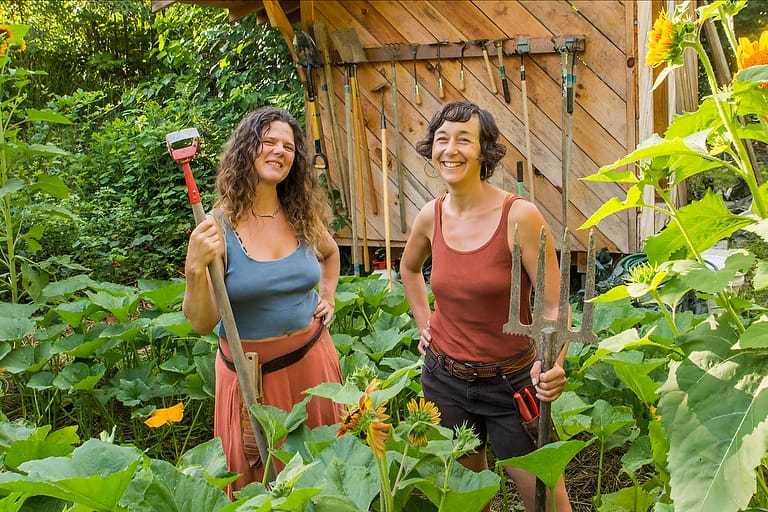
You can browse all of our gardening & permaculture classes here, or learn more details about each below.
Permaculture Design Course
10 Spring Wild Foods That You Can Find Almost Anywhere
Seasonal Land-Based Living Handbook
In-Person Permaculture Courses and Gardening Programs
Permaculture Design Course
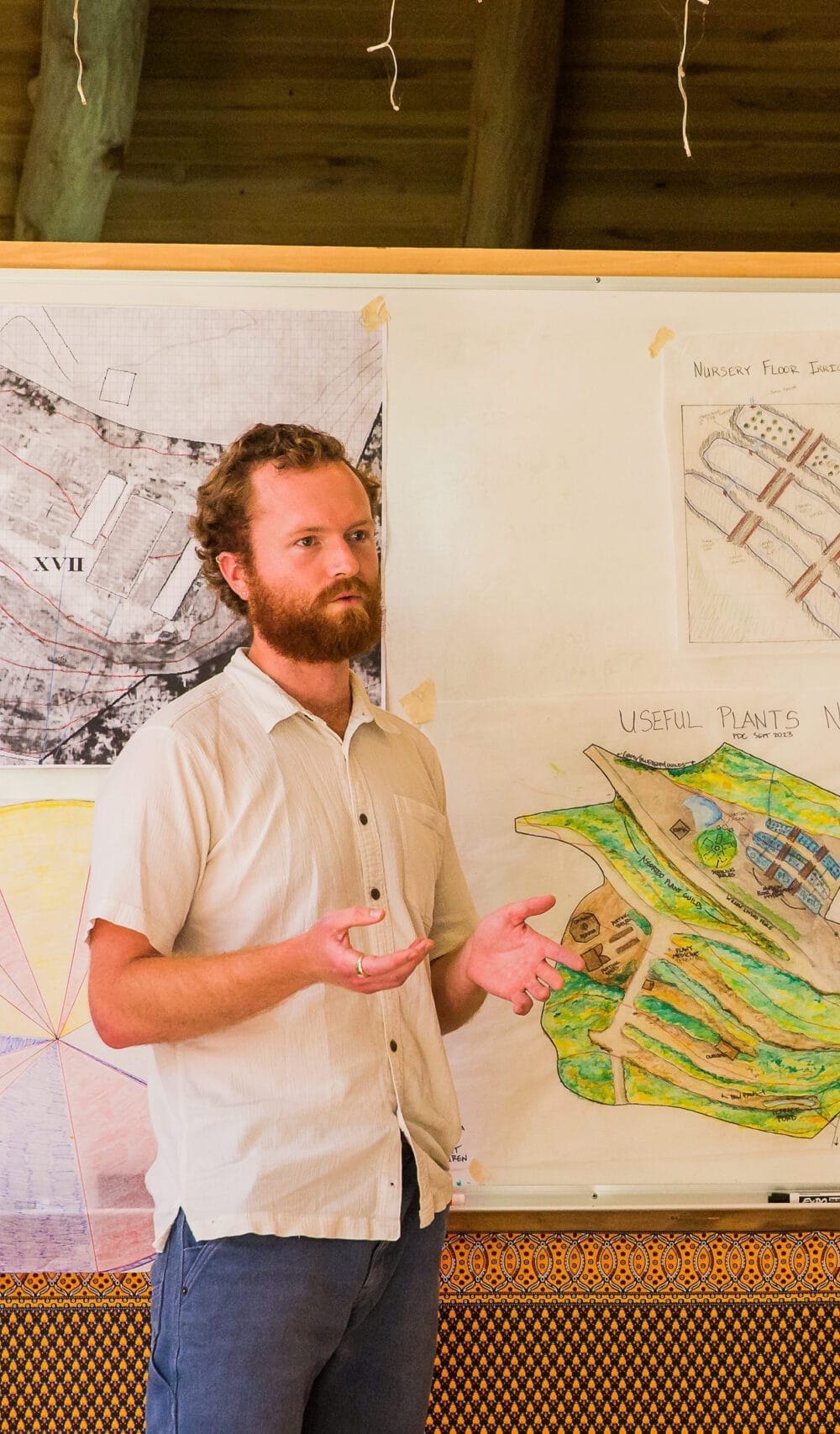
The Permaculture Design Course is Wild Abundance’s most comprehensive in-person permaculture course for students who want to understand ecological design, resilient systems, and land-based planning through direct experience. This immersive PDC combines online preparation with a 10-day in-person intensive near Asheville, North Carolina, giving students time to study theory, visit living examples, work with design concepts, and learn from instructors who actively practice permaculture in their own lives. It is the strongest fit for students who want a full permaculture certification experience rather than a short introduction.
What You’ll learn:
- Core permaculture ethics, principles, and whole-systems thinking
- How to observe and design in relationship with land, water, plants, people, and community
- Forest gardens, food systems, ecology, and plant species selection
- Bioregional design for the Southeastern U.S. and beyond
- Disaster preparedness, recovery, and resilience through permaculture design
- Holistic forestry, land stewardship, and ecological planning concepts
- How to complete a design project and apply permaculture thinking to real places
who this class is for:
This permaculture course is for adults who want a deep, immersive learning experience that blends ecological design, hands-on learning, community, and practical application. It can be a strong fit for gardeners, homesteaders, landowners, community organizers, educators, farmers, designers, and anyone who wants to think more clearly about resilient systems. If you are comparing permaculture classes and want an in-person course with certification, site visits, group design work, and real-world instruction, this is the clearest match.
Women’s Carpentry Classes
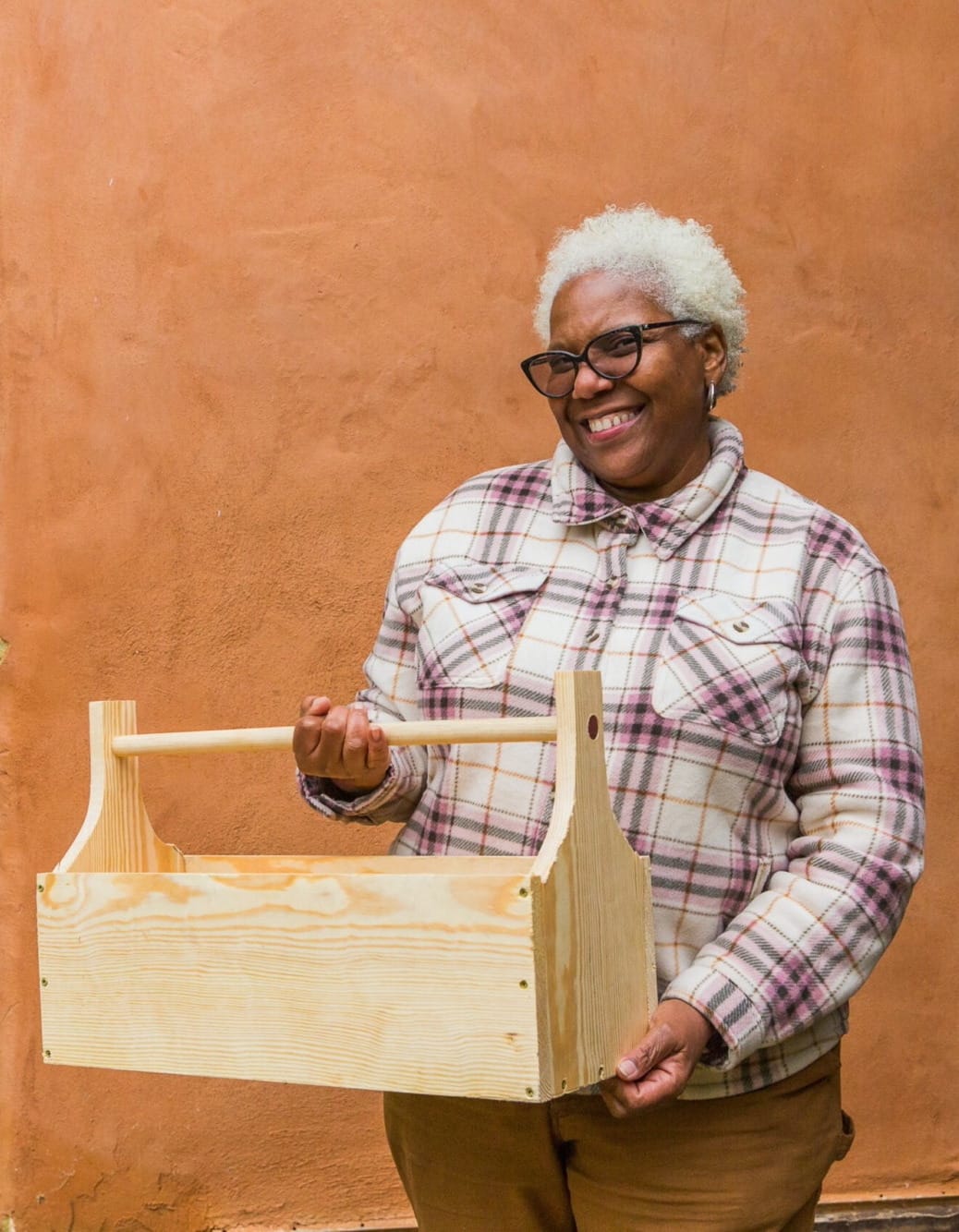
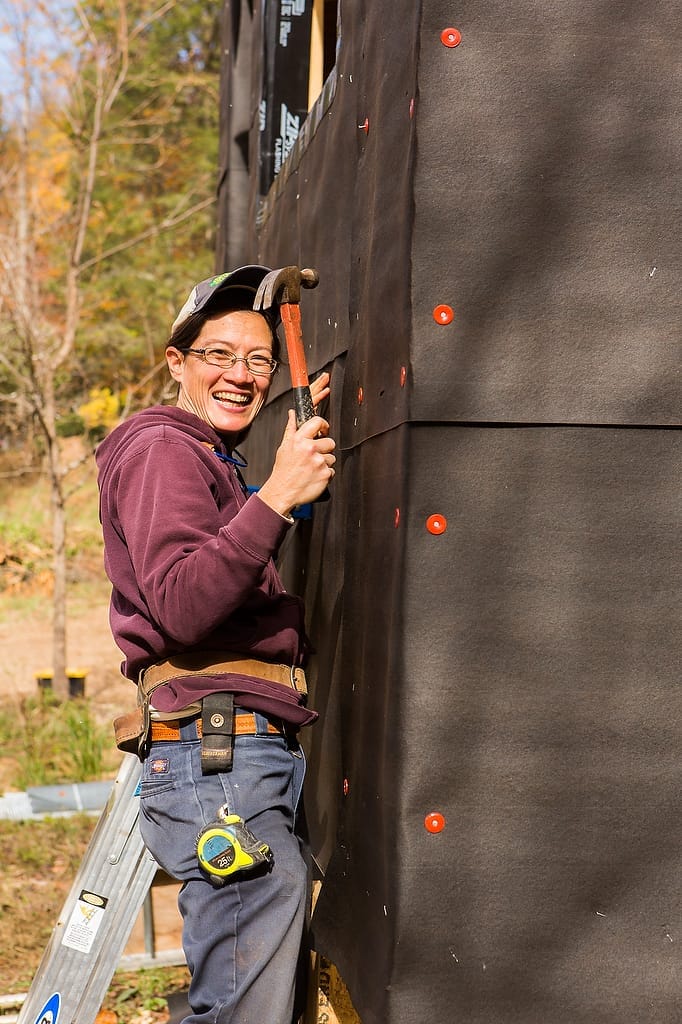
Our Women’s Basic Carpentry Class is a four-day, hands-on workshop near Asheville, NC that teaches women and non-binary folks foundational carpentry skills in a welcoming, low-stress environment. Through demos, short lectures, and lots of tool time, students get comfortable using hand and power tools while working on real-world projects in an outdoor woodshop. Instructors emphasize tool safety, confidence-building, and body-aware techniques, so beginners can genuinely thrive.
What You’ll learn:
- Safe, confident use of hand & power tools like saws, drills & drivers
- Accurate measuring, marking cuts, and basic lumber selection
- Planning and building a simple personal woodworking project
- Practicing carpentry skills on real-world group projects
- Building confidence with tools and working in a supportive crew
who this class is for:
This class is designed for women (including trans women) and non-binary people who want a friendly, non-macho place to get comfortable with tools. It’s perfect whether you’ve never picked up a power tool before or have done some DIY and want safer technique, better ergonomics, and more confidence, alongside a diverse group of peers of all ages. If you dream of tackling household repairs, building small projects, or eventually moving on to advanced carpentry or tiny house building, this course gives you a solid, supportive starting point.
What Our Permaculture & Gardening Students Say
scroll right to read more
Rosie
Florida
Mom and Community Organizer
Course Taken:
“Taking the Permaculture Design Course opened my mind drastically. The knowledge I gained will benefit my family, community, and myself tremendously. Thank you from the bottom of my heart.”

Nathan
Louisiana
Tax Preparer
Course Taken:
“Not only will you learn all about permaculture, but you will be immersed in a new way of being that shows how we can live according to these principles. It’s not geared towards any one type of person or any experience level. All you need is the desire to learn about permaculture and the fortitude to make it through an intense program that is fun and will give you so many new tools to face life and start a farm, garden, or homestead.”

Dean
North Carolina
Retired Mail Carrier
Course Taken:
“I thoroughly enjoyed this course. The teaching was extensive, and from very knowledgeable instructors: some of the leading figures in the permaculture movement. I highly recommend it.”

Kyle
North Carolina
Course Taken:
“The Permaculture Design Course through Wild Abundance was a deeply enriching experience for me. The instructors’ knowledge in all areas of the course were vast and inspiring. Upon completion, I felt challenged and intrigued, looking to create as many positive relationships and changes in my life as physically possible.”

Cedar
Minnesota
Course Taken:
“This immersive experience showed me what a functional, dynamic community looks like between humans, plants, animals, soil, etc.”

Scott
Weaverville, NC
Course Taken:
“This course was a life changing experience. I went in with the expectation of learning how to group plants. I left with a heart that had been ripped open with love and a drive to build community like I never thought possible. I’d repeat this class in a heartbeat.”
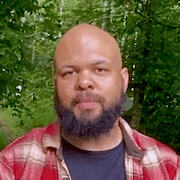
Alec
Atlanta
Attorney
Course Taken:
“I’d taken a permaculture course before online and it’s very good information, but there’s only so much you’re gonna be able to learn without your hands in the dirt. The Wild Abundance class was an amazing opportunity for me to get that experience. I was surprised at how quickly we all came together. There’s a lot of people from different backgrounds and we all had a love for outdoors and for nature and for, you know, mother Earth. And that was a connecting through line for every single person here. “

Sammy
New Mexico
Teacher
Course Taken:
“ I feel like the class provided so much knowledge. I mean, there’s so many different things to know within the world of permaculture and they gave us a taste of everything. We got to see so many different projects that are happening within this county, within this landscape. And we saw people also practicing permaculture, not only here at wild abundance, but on the larger, broader spread of this territory. I feel inspired. Whatever hesitations come up, you’re going to get something out of it.”
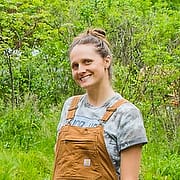
Linda
Asheville, NC
Facilitator
Course Taken:
“ It was such a pleasure to be in Wild Abundance’s outdoor space for the garden apprenticeship. Not only did I make friends, but I learned how to tend a garden from start to finish: from seed to soil, how to take care of it, how to winterize crops and save seeds for next year. I also learned how to tend perennial trees and berries. I’m coming out of it feeling confident that I can start many different garden projects on my own.”
Online Gardening Classes and Permaculture Resources
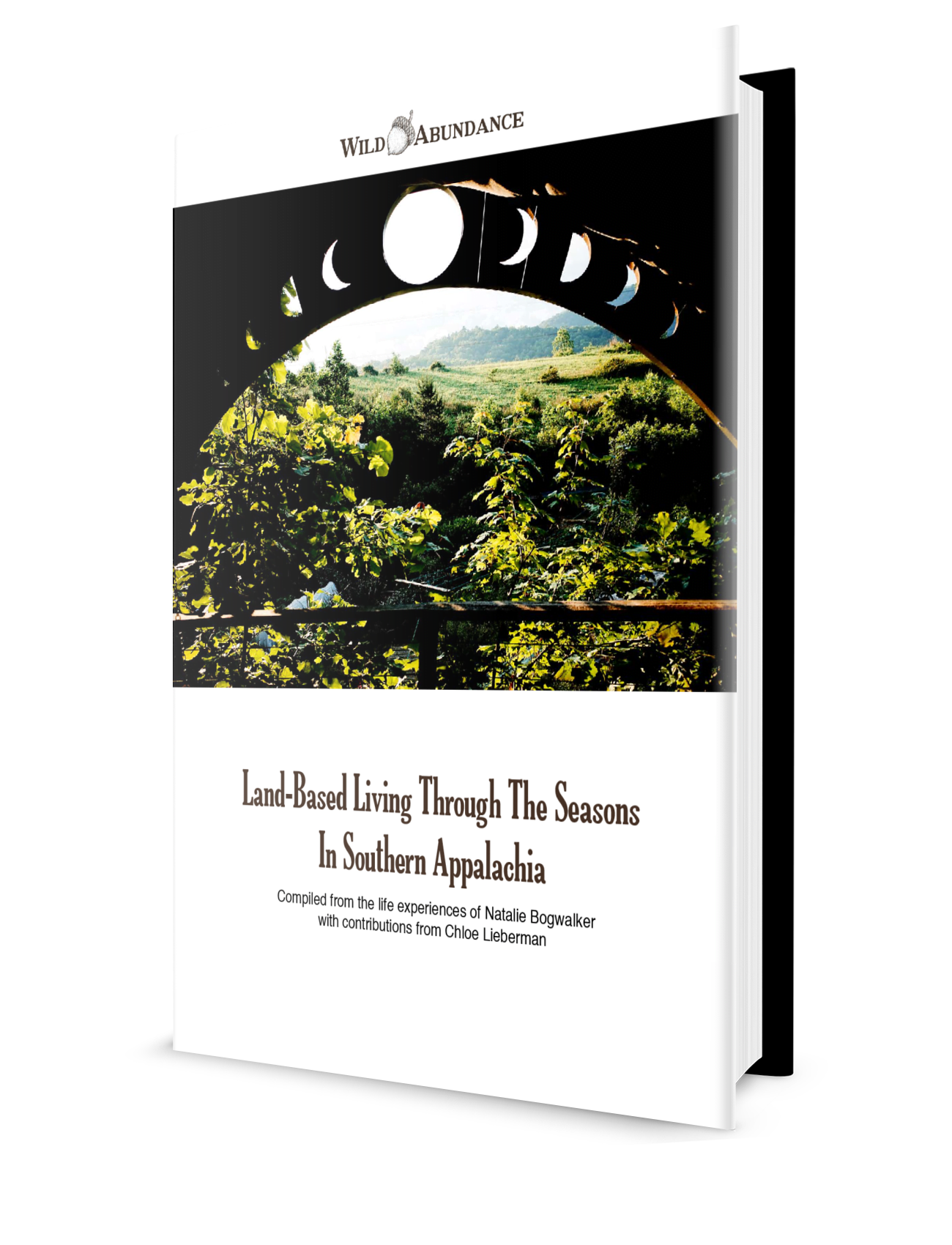
Seasonal Land-Based Living Handbook
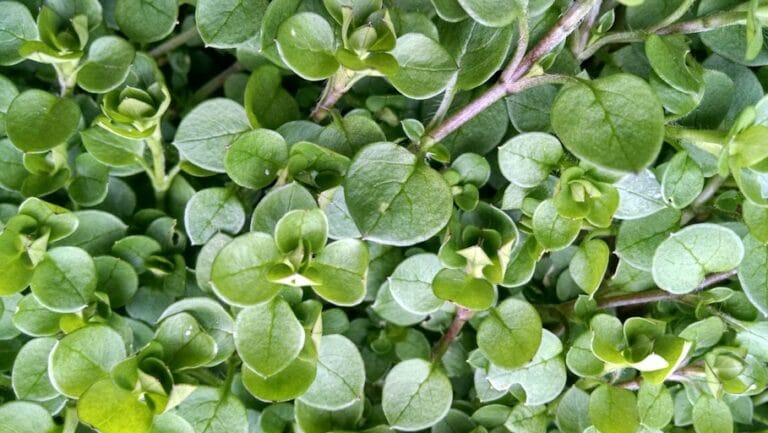
The Seasonal Land-Based Living Handbook is an online resource for students who want a month-by-month guide to gardening, foraging, food preservation, and seasonal homestead tasks. This 100+ page guide focuses on the rhythms of land-based living in Southern Appalachia, while still offering inspiration and practical ideas that can be adapted to many places. It is a useful companion to permaculture courses because it helps students connect ecological thinking with the everyday work of planting, harvesting, cooking, preserving, and observing the seasons.
What You’ll learn:
- Seasonal planting guides and garden tasks
- Harvesting tips, wild edible recipes, and food preservation methods
- How to observe and respond to seasonal changes
- Practical land-based living skills organized month by month
- Ideas for connecting gardening, foraging, orchards, recipes, and homestead care
- How Southern Appalachian seasonal rhythms can inspire your own local observations
- Ways to live more closely with the land throughout the year
who this class is for:
This guide is for gardeners, homesteaders, herbalists, foragers, and students who want practical seasonal inspiration they can return to again and again. It is especially useful for people who are interested in gardening courses but also want a broader view of land-based living beyond the garden fence. If you are looking for an accessible online resource that supports permaculture thinking, seasonal observation, and everyday practice, the Seasonal Land-Based Living Handbook is a strong fit.
4-Month Carpentry Training School
Our Carpentry Training Program is a four-month, in-person carpentry school for adults near Asheville, NC where a small crew learns to design and build real projects. For two days each week you’ll frame and finish a tiny house, work on smaller design-build projects, and learn directly from experienced mentors. The program blends hands-on training with assigned lessons from the Online Tiny House Academy so you build both clear understanding and solid muscle memory.
What You’ll learn:
- Core tool safety, use, and on-site workflow
- Framing, sheathing, roofing, siding, and trim basics
- Reading plans, making cut lists, and ordering materials
- Finishing a tiny house interior with paneling, flooring, and details
- Thinking like a builder through problem-solving and project planning
who this class is for:
This carpentry training is for beginner and intermediate adults who are ready to commit two days a week to learning by doing. It’s a great fit if you want to build your own small home, feel confident tackling renovation projects, or explore carpentry as a possible career in a supportive, all-genders environment. You’ll need enthusiasm, reliability, and the physical ability to do hands-on outdoor work with a small team.
10 Spring Wild Foods That You Can Find Almost Anywhere
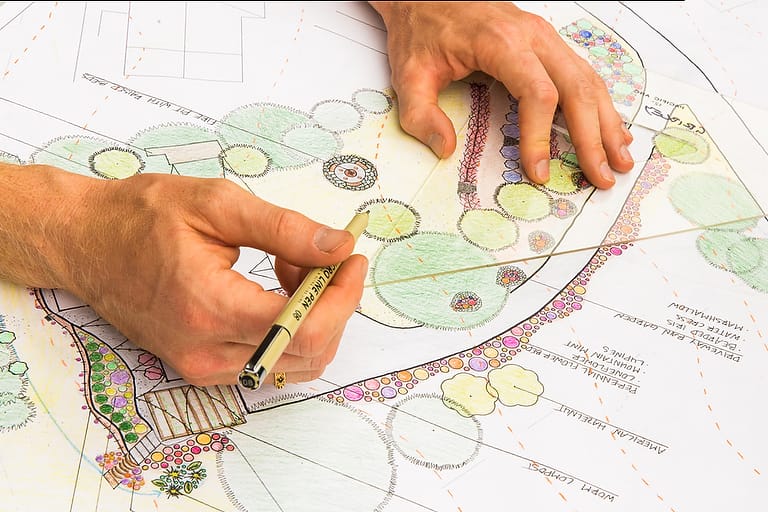
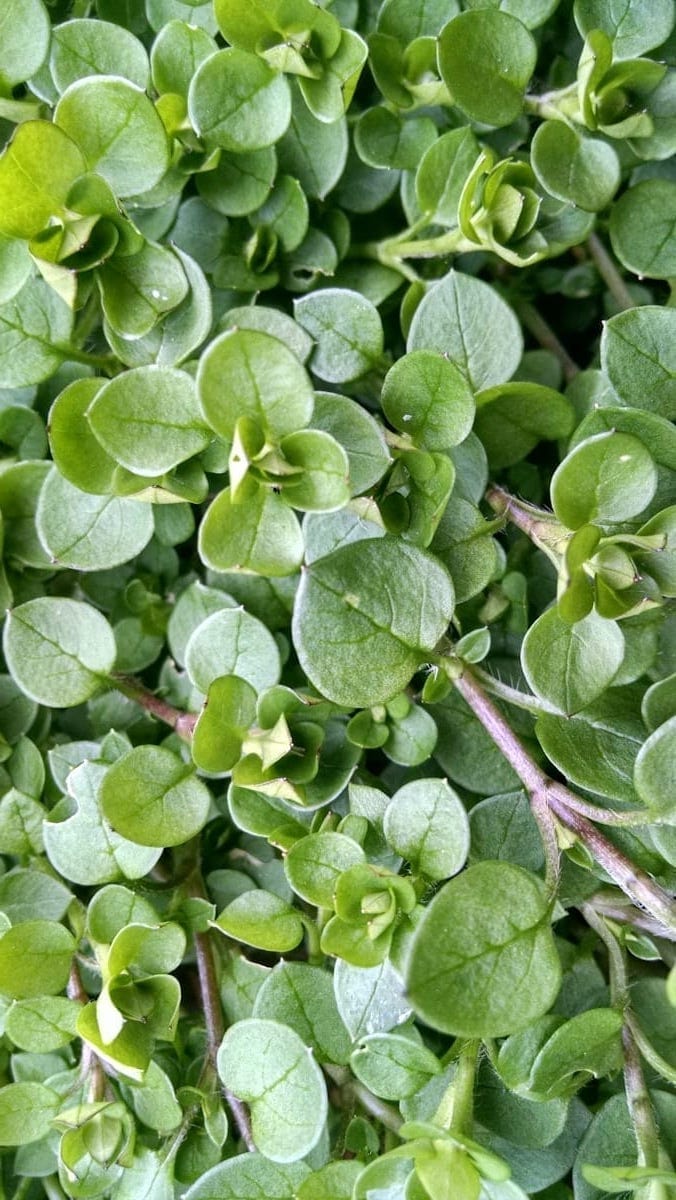
10 Spring Wild Foods That You Can Find Almost Anywhere is an online course that teaches students how to recognize and harvest common wild foods. While it is more of a foraging class than a traditional gardening course, it fits beautifully within permaculture because it helps students notice edible abundance beyond cultivated beds. Students learn from experienced instructor Luke Cannon through video lessons, a downloadable foraging guide, and recipes that make wild foods feel more approachable.
What You’ll learn:
- How to identify 10 common spring wild foods
- The basics of safe wild food harvesting
- How to recognize edible plants in both urban and rural landscapes
- Why wild foods can be nutrient-dense and flavorful additions to your diet
- How to harvest ethically and avoid over-harvesting
- How to think about plants as part of a wider living ecosystem
- Simple recipes and preparation ideas for spring wild foods
who this class is for:
This class is for gardeners, homesteaders, herbalists, foragers, and permaculture students who want to expand their food awareness beyond cultivated crops. It is a good fit for beginners who want an affordable, accessible introduction to wild foods and seasonal plant knowledge. If your interest in online gardening classes includes edible landscapes, wild abundance, and a broader understanding of food systems, this course offers a helpful companion to garden-based learning.
Top 10 Veggies That Will Really Feed You
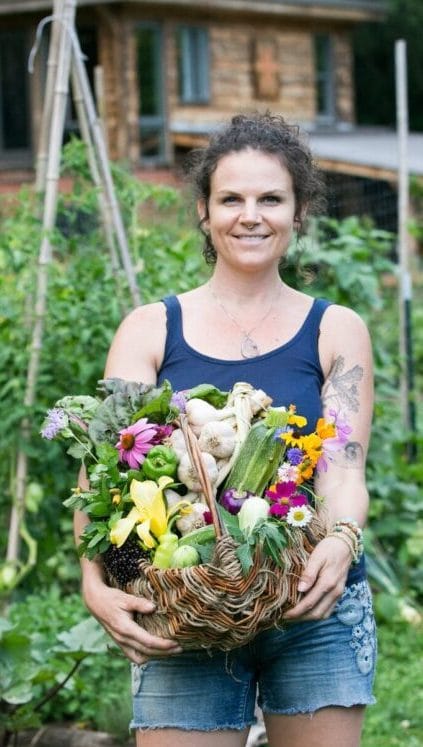
Top 10 Veggies That Will Really Feed You is a free gardening resource for anyone who wants their garden to produce more than a handful of occasional snacks. Instead of centering unusual crops or small, symbolic harvests, this guide focuses on vegetables that can make a real difference in daily meals, pantry planning, and household food security. As part of a collection of free online gardening classes and resources, it helps students choose crops with practical value before investing their time, space, money, and energy into planting.
What You’ll learn:
- Which vegetables tend to offer the most useful harvests for home gardeners
- How to move beyond novelty planting and grow food that supports real meals
- Why thoughtful crop selection can make a garden more productive and satisfying
- How to evaluate vegetables by yield, nutrition, versatility, and everyday usefulness
- How a home garden can play a role in household resilience and food security
- Why certain crops are especially helpful for new gardeners or people with limited time
- How to plan garden space around cooking, storage, preservation, and regular use
who this RESOURCE is for:
This free online gardening resource is for adults who want to grow food that feels genuinely worthwhile. It is especially helpful for beginning gardeners, small-space growers, homesteaders, and families who want bigger returns from limited garden space. If you are looking for free online gardening classes that support smarter, more practical growing decisions, this guide offers an accessible place to begin.
Women’s Carpentry Classes
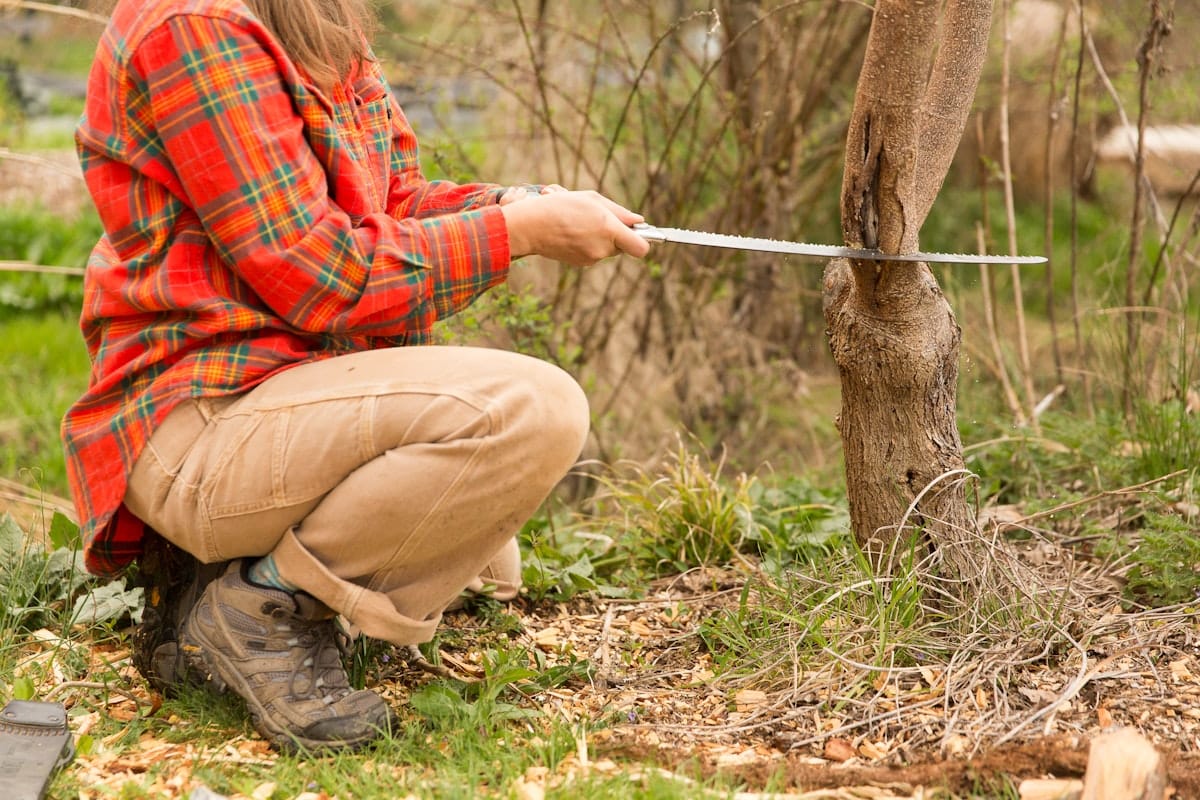
Our Women’s Basic Carpentry Class is a four-day, hands-on workshop near Asheville, NC that teaches women and non-binary folks foundational carpentry skills in a welcoming, low-stress environment. Through demos, short lectures, and lots of tool time, students get comfortable using hand and power tools while working on real-world projects in an outdoor woodshop. Instructors emphasize tool safety, confidence-building, and body-aware techniques, so beginners can genuinely thrive.
What You’ll learn:
- Safe, confident use of hand & power tools like saws, drills & drivers
- Accurate measuring, marking cuts, and basic lumber selection
- Planning and building a simple personal woodworking project
- Practicing carpentry skills on real-world group projects
- Building confidence with tools and working in a supportive crew
who this class is for:
This class is designed for women (including trans women) and non-binary people who want a friendly, non-macho place to get comfortable with tools. It’s perfect whether you’ve never picked up a power tool before or have done some DIY and want safer technique, better ergonomics, and more confidence, alongside a diverse group of peers of all ages. If you dream of tackling household repairs, building small projects, or eventually moving on to advanced carpentry or tiny house building, this course gives you a solid, supportive starting point.
About Our Gardening Programs & Permaculture Classes
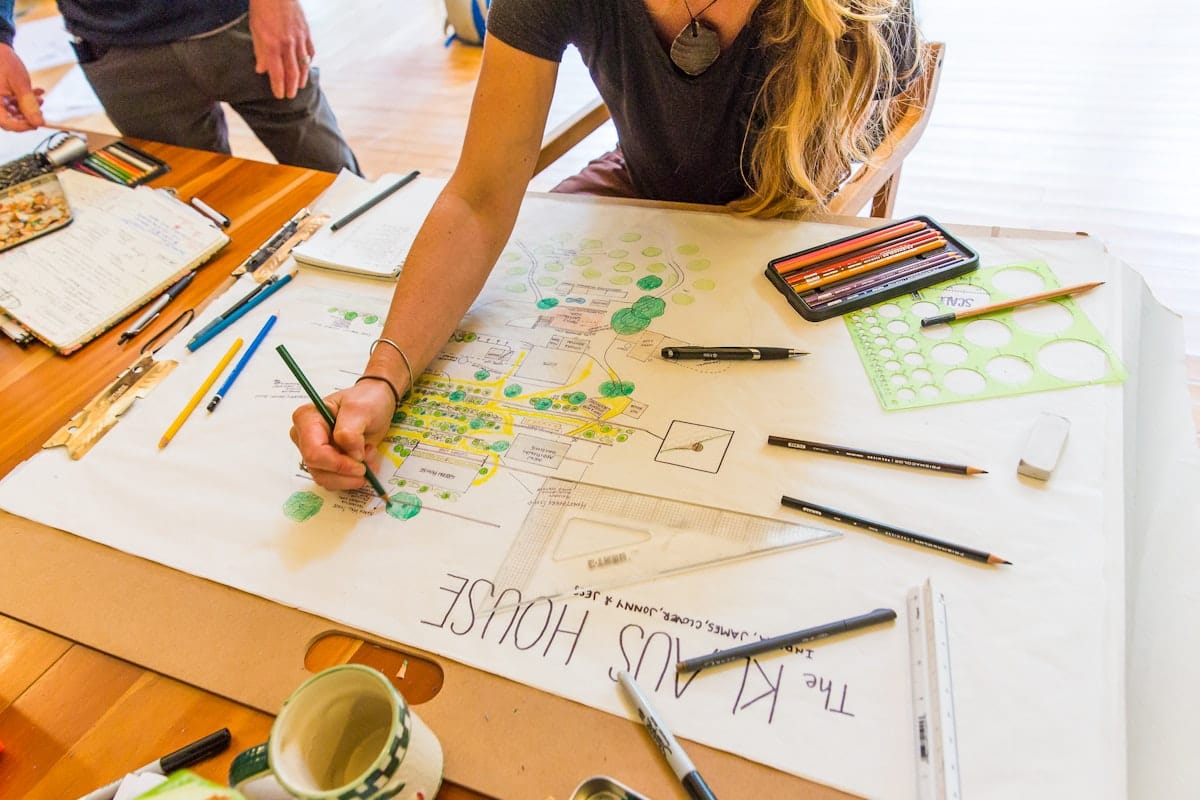
Changing the world with one gardening program might sound pretty idealistic, but our permaculture courses are anything but. That’s because we’ve created curricula that don’t just cover big ideas and theoretical scenarios. Permaculture training with Wild Abundance is practical and realistic. All of our instructors bring life experience to the table. Many of them have been practicing and living permaculture for decades!
Permaculture courses that are rooted in real-world experience and practical know-how.
Permaculture classes are for everyone. We’ve had students from all kinds of backgrounds and lifestyles.
The traditional, intensive Permaculture Design Course is a 14-day workshop where you live and breathe permaculture. It’s full-on, fun, and free of distractions. In fact, we even offer a meal plan option. It provides you with amazing food and the time to focus more completely on your studies and design projects.
The people and planet need your unique contribution. Join us for a Gardening Program or Permaculture Course today.
Now is the time to take action. Ecological and social degradation are not waiting on us; they’re barreling ahead at full speed. With this in mind, solution-oriented change-makers (like ourselves) need to dive in and move at the same speed. But you don’t need to know all the answers or fix the world’s problems alone.
Taking a permaculture course is a first step. It will get you ready to make positive changes right now, where you’re at. We believe that a healthy, sustainable future needs lots of empowered individuals. With permaculture, you can begin working at the community level as someone who understands systems-thinking. We’re looking forward to meeting you and sharing our knowledge as we weave this web of change! We hope you’ll join us for a permaculture course or gardening program!
Frequently Asked Questions About Online Gardening Classes and Permaculture Courses
The best online gardening class for beginners is one that helps you make practical decisions without overwhelming you with too many rules at once. A strong beginner class should cover why you want to garden, how much space you have, what you want to grow, how to plan your layout, and how to choose techniques that fit your life.
Beginners often need help turning enthusiasm into a realistic plan. It is easy to buy too many seeds, plant more than you can maintain, or copy someone else’s garden plan without considering your own climate, time, soil, and needs. Online gardening courses can help you slow down and think through those choices before the season begins. When a gardening class online gives you structure, encouragement, and repeatable planning tools, it can make the whole process feel more successful and less stressful.
Gardening courses usually focus on growing plants, planning beds, improving soil, selecting crops, watering, fertility, seasonality, and harvesting. Permaculture courses often include gardening, but they also zoom out to look at whole systems, including water, energy, shelter, ecology, community, resilience, forests, animals, and long-term land stewardship. A gardening course might help you plan a vegetable garden, while a permaculture course might help you understand how that garden fits into a larger living landscape. Both can be useful, and they often support each other beautifully.
At Wild Abundance, the online gardening classes offer practical tools for planning and seasonal living, while the in-person Permaculture Design Course provides deeper ecological design training. Students who want a simple place to begin may start with Top 10 Veggies That Will Really Feed You or the Seasonal Land-Based Living Handbook. Students who want a broader design framework may be drawn to the Permaculture Design Course. Together, these offerings create a pathway from practical garden planning into more complex whole-systems thinking.
You can begin learning many permaculture concepts online, especially when it comes to observation, garden planning, seasonal rhythms, edible landscapes, and whole-systems thinking. Online permaculture classes can help students build vocabulary, understand key ideas, and start applying ecological thinking to their own homes, gardens, and communities. Resources like the Seasonal Land-Based Living Handbook support this process by helping students connect planning, food, seasons, and land-based living. Online learning is especially helpful for people who need flexibility or want to study before attending an in-person course.
That said, permaculture is deeply rooted in place, practice, and observation. An online permaculture course can teach concepts, but an in-person course gives students the chance to walk landscapes, visit living examples, collaborate on design projects, and learn with their whole bodies. The Permaculture Design Course near Asheville combines online sessions with an in-person intensive, which gives students both theoretical preparation and direct experience. For many people, the strongest path is to use online learning for preparation and ongoing reference, then deepen the work through in-person practice.
Online gardening courses can be very worthwhile when they are practical, well-organized, and grounded in real gardening experience. A good online class lets you learn at your own pace, pause lessons, revisit material, print worksheets, and return to the course when a new season begins. This is especially helpful for gardening because timing, climate, soil, and personal goals can change from year to year. Instead of trying to remember everything at once, students can use the course as an ongoing reference.
Online gardening classes are especially useful for planning because much of the thinking happens before planting begins. You can review layout ideas, crop choices, spacing, soil considerations, succession planting, and seasonal tasks before you are in the middle of the growing season. They are also helpful for students who cannot travel to an in-person class or who want support from home. The key is choosing gardening courses online that feel specific enough to guide you, but flexible enough to adapt to your own garden.
A permaculture course can be useful for gardeners, homesteaders, landowners, farmers, educators, community organizers, designers, activists, and anyone who wants to think more deeply about resilient human and ecological systems. You do not need to own land or have years of gardening experience to begin. Permaculture is a framework for observing relationships, designing thoughtfully, and working with natural patterns wherever you are. That can apply to a backyard, farm, school garden, neighborhood, community project, or future homestead.
The in-person Permaculture Design Course is a strong fit for people who want a deeper, more immersive experience. It includes design work, ecological concepts, community-scale thinking, bioregional awareness, and practical examples from instructors who live what they teach. Online gardening classes may be a better starting point if your current goal is a more productive garden, a seasonal food rhythm, or a practical planning system. Many students eventually find that gardening, permaculture, foraging, and land-based living all become connected parts of the same path.
No, you do not need land to take gardening or permaculture classes. Many students begin with a patio, balcony, rented yard, community garden plot, shared family land, or even a future dream rather than a current property. Online gardening courses can help you make the most of the space you already have, whether that means containers, raised beds, a small backyard, or a larger garden. Permaculture thinking can also be applied to relationships, communities, water use, energy, food systems, and daily life, not just private acreage.
If you do have land, these classes can help you understand it more clearly and make better long-term decisions. If you do not have land yet, they can help you build skills, vocabulary, and confidence before you take on a larger project. The Permaculture Design Course can also help students understand how to observe and think about land before making major changes.
Yes, several of these gardening and permaculture courses are beginner-friendly. Top 10 Veggies That Will Really Feed You includes material for both beginning and more experienced gardeners, making it approachable for people who are planning their first containers as well as students with several seasons of gardening behind them. 10 Spring Wild Foods That You Can Find Almost Anywhere is also accessible for beginners who want to start noticing edible plants and seasonal abundance. The Seasonal Land-Based Living Handbook can support students who want practical inspiration without committing to a full course right away.
The Permaculture Design Course is more immersive and intensive, but it is still designed to welcome students from a wide range of backgrounds. You do not have to be an expert gardener before learning permaculture, but you should be ready to engage with big ideas, active learning, group design, and hands-on observation. If you are brand new and want a gentler entry point, starting with an online gardening class can be helpful. If you are ready for a deeper dive into ecological design, the in-person PDC offers a more comprehensive experience.
 On Facebook
 On Instagram